Don't miss our holiday offer - up to 50% OFF!

Persian Setar for Beginners: History, Sound & How to Play

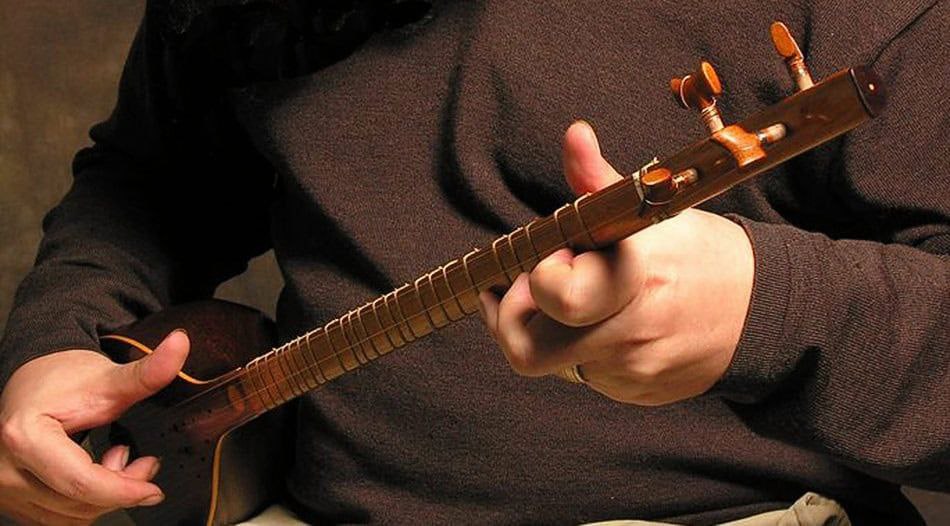
The Setar is a stringed instrument widely used in Persian music. It is a member of the lotus family, with a pear-shaped body and a long neck. Setar has a unique voice that is both soothing and captivating. This article will explore the Setar’s history, construction, tuning, and playing and provide tips for learning popular Setar music.
History of the Setar
The Setar has such a fascinating history in Persian music. Did you know it first appeared in Iran around the 18th century? Early on, Sufi musicians often played it during spiritual gatherings. Can you imagine sitting in a quiet room, hearing those gentle notes filling the air? It must have been mesmerizing.
Over time, the Setar didn’t just stay in spiritual circles—it became a staple in Persian classical music. And today, you’ll find it being played by professional musicians and students alike, keeping the tradition alive.
What Does the Setar Sound Like?
If you’ve never heard the Setar up close, you’re in for a treat. Its tone is soft, delicate, and almost intimate. It feels like the instrument is speaking directly to you. I remember listening to a performance once where the musician plucked a single string, and the sound seemed to linger in the air for minutes—it was that captivating.
The Setar works beautifully for solo performances, but it also blends wonderfully in traditional Persian ensembles. And there’s something magical about its voice—it’s calm, soothing, and deeply expressive.
Structure of the Setar
Even though it looks small, the Setar is a really sophisticated instrument. Its pear-shaped body is usually made from mulberry wood or walnut, which gives it that warm, resonant tone. The neck is long and narrow, perfect for those intricate finger movements.
Most Setars today have four strings, plucked with the index finger. And that’s what gives the instrument its personal, intimate sound. It’s fascinating how such a simple setup can produce such a wide range of emotions.
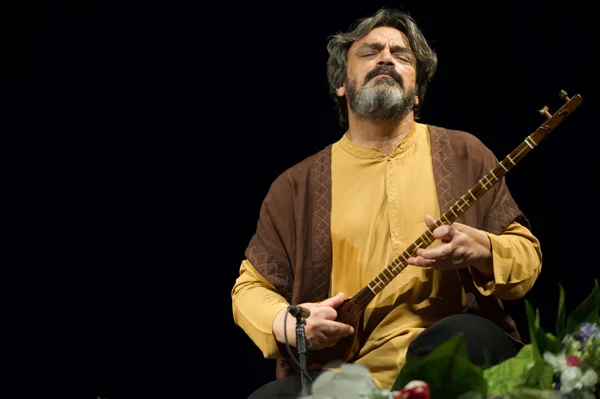
Image source: navasaz.ca
Is It Hard to Learn the Setar?
You might be wondering, “Can I learn this instrument if I’ve never touched a string before?” Honestly, it can feel a bit tricky at first. But don’t let that scare you. With regular practice and guidance from a good teacher, anyone can gradually get the hang of it.
Many beginners start with simple exercises to get their fingers moving and to understand rhythm. And believe me, even short daily practice sessions make a huge difference.
Tips for Beginners
If you’re thinking of picking up the Setar, here are a few tips that really help:
- Practice consistently, even if only for 10–15 minutes a day
- Start with simple melodies before jumping into complex pieces
- Listen to traditional Persian music often to feel the style
- Learn from an experienced teacher whenever you can
Remember, learning any instrument is a journey. There will be moments of frustration, but also moments when the music just clicks—and those are priceless.
Source
This blog post was created using Large Language Models from several other posts, primarily Setar Music: A Guide to Learning the Persian Instrument by Ali Massoudi & Padideh Ahrarnejad .
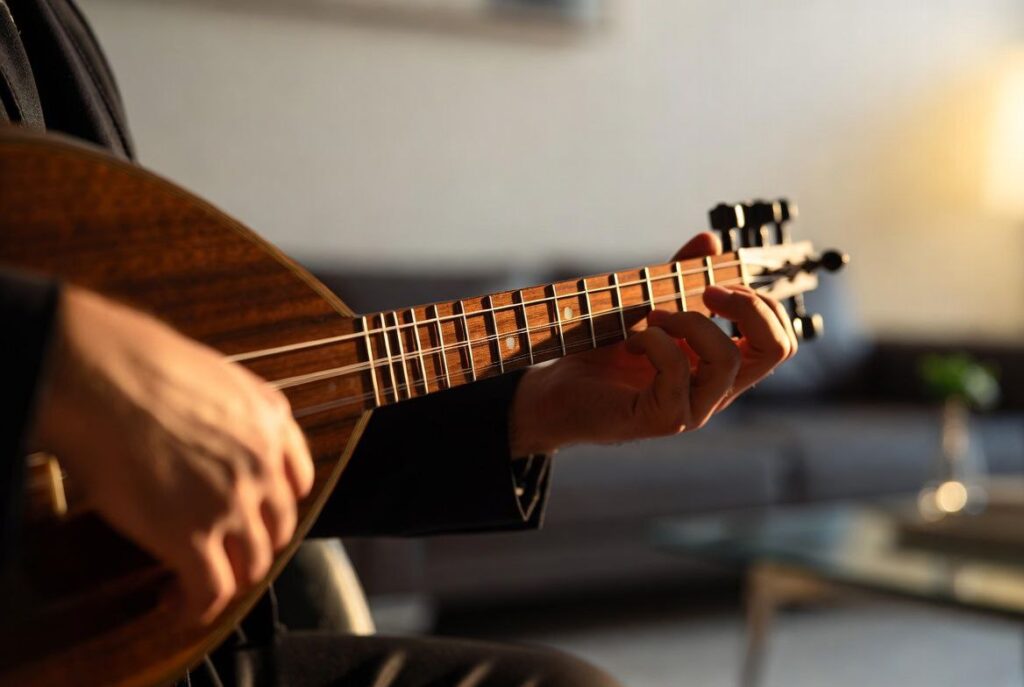
Image generated with AI
سهتار ایرانی برای مبتدیان: همه چیز درباره تاریخچه، صدا و نواختن ساز
سهتار سازی زهی است که در موسیقی ایرانی کاربرد فراوان دارد. این ساز عضوی از خانواده تارهاست و بدنهای گلابیشکل و دستهای بلند دارد. صدای سهتار منحصر به فرد است؛ هم آرامشبخش و هم جذاب و دلنشین. در این مقاله به تاریخچه، ساختار، کوک و نحوه نوازندگی سهتار پرداخته و نکاتی برای یادگیری موسیقی محبوب آن ارائه میکنیم.
تاریخچه سهتار
سهتار تاریخچهای جذاب در موسیقی ایرانی دارد. آیا میدانستید که اولین بار حدود قرن هجدهم در ایران ظاهر شد؟ در ابتدا، موسیقیدانان صوفی اغلب آن را در محافل معنوی و روحانی مینواختند. تصور کنید نشستهاید در اتاقی آرام و آن نغمههای لطیف فضا را پر میکند—چه تجربهای مسحورکنندهای!
با گذر زمان، سهتار تنها در محافل معنوی باقی نماند؛ بلکه به یکی از سازهای اصلی موسیقی کلاسیک ایرانی تبدیل شد. امروزه هم نوازندگان حرفهای و هم دانشجویان آن را مینوازند و سنت را زنده نگه میدارند.
صدای سهتار چگونه است؟
اگر تاکنون سهتار را از نزدیک نشنیدهاید، آماده تجربهای ویژه باشید. صدای آن نرم، ظریف و تقریباً صمیمی است، گویی ساز مستقیماً با شما حرف میزند. من یک بار شنونده اجرایی بودم که نوازنده تنها یک سیم را مینواخت و صدا انگار دقیقهها در فضا میماند—اینقدر جذاب بود.
سهتار برای اجراهای تکنفره عالی است و در گروههای سنتی ایرانی نیز به زیبایی با سایر سازها ترکیب میشود. صدای آن آرام، دلنشین و عمیقاً بیانگر احساسات است.
ساختار سهتار
با اینکه ظاهر کوچک دارد، سهتار سازی بسیار پیچیده است. بدنه گلابیشکل آن معمولاً از چوب توت یا گردو ساخته میشود که صدایی گرم و رزونانتی ایجاد میکند. دسته بلند و باریک آن برای حرکتهای ظریف انگشتان بسیار مناسب است.
اکثر سهتارهای امروزی چهار سیم دارند که با انگشت اشاره نواخته میشوند و همین ویژگی به ساز صدایی شخصی و صمیمی میبخشد. شگفتآور است که چنین ساز سادهای میتواند چنین طیف گستردهای از احساسات را بیان کند.

منبع تصویر: navasaz.ca
یادگیری سهتار سخت است؟
شاید فکر کنید: «اگر تا به حال سازی نواختهام، میتوانم سهتار یاد بگیرم؟» صادقانه بگویم، ابتدا ممکن است کمی دشوار به نظر برسد. اما نگران نباشید؛ با تمرین منظم و راهنمایی یک استاد خوب، هر کسی میتواند کمکم مهارت پیدا کند.
بسیاری از مبتدیان با تمرینات ساده برای حرکت انگشتان و درک ریتم شروع میکنند. حتی جلسات کوتاه روزانه هم تفاوت بزرگی ایجاد میکند.
نکاتی برای مبتدیان
اگر قصد دارید سهتار را آغاز کنید، چند نکته مفید:
- تمرین مداوم داشته باشید، حتی ۱۰–۱۵ دقیقه در روز.
- ابتدا با ملودیهای ساده شروع کنید و بعد به قطعات پیچیده بروید.
- موسیقی سنتی ایرانی را زیاد گوش دهید تا با سبک آن آشنا شوید.
- هر زمان ممکن بود از استاد با تجربه یاد بگیرید.
یادگیری هر سازی یک سفر است؛ لحظاتی از ناامیدی و همچنین لحظاتی وجود دارد که موسیقی بهطرز شگفتانگیزی با شما «هماهنگ» میشود—و این لحظات بیقیمت هستند.
مرجع:
این پست وبلاگ با استفاده از مدلهای زبانی بزرگ و بر اساس چندین مطلب دیگر ایجاد شده است، که مهمترین آنها مقاله موسیقی سهتار؛ راهنمای یادگیری و نواختن این ساز اصیل ایرانی نوشته علی مسعودی و پدیده اهرارنژاد بوده است.